Joseph Davis
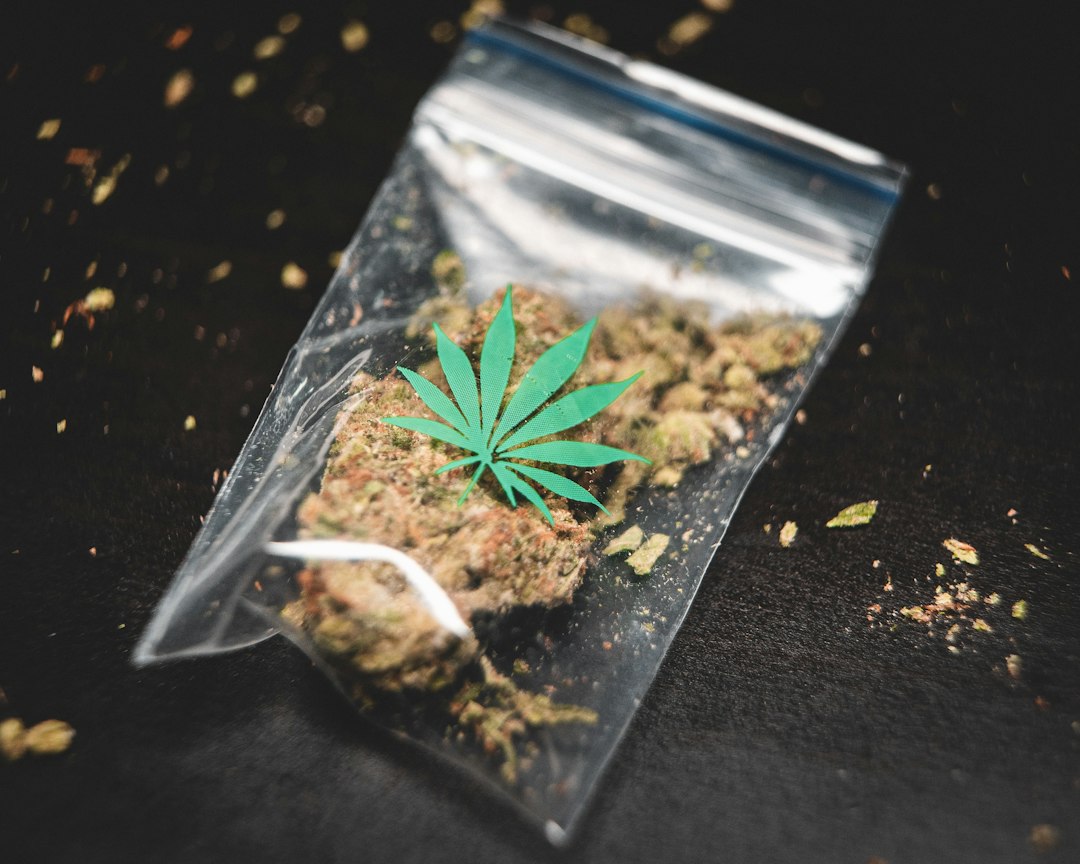
Cannabis edibles are often presented in attractive packaging, but the most valuable information is found in the details provided on the label. When a product is described as Strong edibles, consumers should pay particular attention to serving information and cannabinoid details. A professional reading approach can help separate factual product information from promotional wording and create a clearer understanding of what is inside the package.
Table of Contents
- In This Article
- In This Article
- In This Article
- In This Article
- In This Article
- In This Article
- In This Article
- In This Article
- In This Article
- In This Article
- In This Article
- In This Article
- What should be checked before considering an edible?
- Why is serving guidance one of the most important sections?
- How can cannabinoid information improve understanding?
- Why should ingredients be reviewed?
- What do package warnings tell consumers?
- Why is storage information part of responsible use?
- Should consumers compare experiences with friends?
- How can consumers recognize useful information versus marketing language?
- What does good edible-label literacy look like?
- The Short Version
- The Short Version
- The Short Version
- The Short Version
- The Short Version
- The Short Version
- The Short Version
- The Short Version
- The Short Version
- The Short Version
- The Short Version
- The Short Version
In This Article
- In This Article
- In This Article
- In This Article
- In This Article
- In This Article
- In This Article
- In This Article
- In This Article
- In This Article
- In This Article
- In This Article
- What should be checked before considering an edible?
- Why is serving guidance one of the most important sections?
- How can cannabinoid information improve understanding?
- Why should ingredients be reviewed?
- What do package warnings tell consumers?
- Why is storage information part of responsible use?
- Should consumers compare experiences with friends?
- How can consumers recognize useful information versus marketing language?
- What does good edible-label literacy look like?
- The Short Version
- The Short Version
- The Short Version
- The Short Version
- The Short Version
- The Short Version
- The Short Version
- The Short Version
- The Short Version
- The Short Version
- The Short Version
In This Article
- In This Article
- In This Article
- In This Article
- In This Article
- In This Article
- In This Article
- In This Article
- In This Article
- In This Article
- In This Article
- What should be checked before considering an edible?
- Why is serving guidance one of the most important sections?
- How can cannabinoid information improve understanding?
- Why should ingredients be reviewed?
- What do package warnings tell consumers?
- Why is storage information part of responsible use?
- Should consumers compare experiences with friends?
- How can consumers recognize useful information versus marketing language?
- What does good edible-label literacy look like?
- The Short Version
- The Short Version
- The Short Version
- The Short Version
- The Short Version
- The Short Version
- The Short Version
- The Short Version
- The Short Version
- The Short Version
In This Article
- In This Article
- In This Article
- In This Article
- In This Article
- In This Article
- In This Article
- In This Article
- In This Article
- In This Article
- What should be checked before considering an edible?
- Why is serving guidance one of the most important sections?
- How can cannabinoid information improve understanding?
- Why should ingredients be reviewed?
- What do package warnings tell consumers?
- Why is storage information part of responsible use?
- Should consumers compare experiences with friends?
- How can consumers recognize useful information versus marketing language?
- What does good edible-label literacy look like?
- The Short Version
- The Short Version
- The Short Version
- The Short Version
- The Short Version
- The Short Version
- The Short Version
- The Short Version
- The Short Version
In This Article
- In This Article
- In This Article
- In This Article
- In This Article
- In This Article
- In This Article
- In This Article
- In This Article
- What should be checked before considering an edible?
- Why is serving guidance one of the most important sections?
- How can cannabinoid information improve understanding?
- Why should ingredients be reviewed?
- What do package warnings tell consumers?
- Why is storage information part of responsible use?
- Should consumers compare experiences with friends?
- How can consumers recognize useful information versus marketing language?
- What does good edible-label literacy look like?
- The Short Version
- The Short Version
- The Short Version
- The Short Version
- The Short Version
- The Short Version
- The Short Version
- The Short Version
In This Article
- In This Article
- In This Article
- In This Article
- In This Article
- In This Article
- In This Article
- In This Article
- What should be checked before considering an edible?
- Why is serving guidance one of the most important sections?
- How can cannabinoid information improve understanding?
- Why should ingredients be reviewed?
- What do package warnings tell consumers?
- Why is storage information part of responsible use?
- Should consumers compare experiences with friends?
- How can consumers recognize useful information versus marketing language?
- What does good edible-label literacy look like?
- The Short Version
- The Short Version
- The Short Version
- The Short Version
- The Short Version
- The Short Version
- The Short Version
In This Article
- In This Article
- In This Article
- In This Article
- In This Article
- In This Article
- In This Article
- What should be checked before considering an edible?
- Why is serving guidance one of the most important sections?
- How can cannabinoid information improve understanding?
- Why should ingredients be reviewed?
- What do package warnings tell consumers?
- Why is storage information part of responsible use?
- Should consumers compare experiences with friends?
- How can consumers recognize useful information versus marketing language?
- What does good edible-label literacy look like?
- The Short Version
- The Short Version
- The Short Version
- The Short Version
- The Short Version
- The Short Version
In This Article
- In This Article
- In This Article
- In This Article
- In This Article
- In This Article
- What should be checked before considering an edible?
- Why is serving guidance one of the most important sections?
- How can cannabinoid information improve understanding?
- Why should ingredients be reviewed?
- What do package warnings tell consumers?
- Why is storage information part of responsible use?
- Should consumers compare experiences with friends?
- How can consumers recognize useful information versus marketing language?
- What does good edible-label literacy look like?
- The Short Version
- The Short Version
- The Short Version
- The Short Version
- The Short Version
In This Article
- In This Article
- In This Article
- In This Article
- In This Article
- What should be checked before considering an edible?
- Why is serving guidance one of the most important sections?
- How can cannabinoid information improve understanding?
- Why should ingredients be reviewed?
- What do package warnings tell consumers?
- Why is storage information part of responsible use?
- Should consumers compare experiences with friends?
- How can consumers recognize useful information versus marketing language?
- What does good edible-label literacy look like?
- The Short Version
- The Short Version
- The Short Version
- The Short Version
In This Article
- In This Article
- In This Article
- In This Article
- What should be checked before considering an edible?
- Why is serving guidance one of the most important sections?
- How can cannabinoid information improve understanding?
- Why should ingredients be reviewed?
- What do package warnings tell consumers?
- Why is storage information part of responsible use?
- Should consumers compare experiences with friends?
- How can consumers recognize useful information versus marketing language?
- What does good edible-label literacy look like?
- The Short Version
- The Short Version
- The Short Version
In This Article
- In This Article
- In This Article
- What should be checked before considering an edible?
- Why is serving guidance one of the most important sections?
- How can cannabinoid information improve understanding?
- Why should ingredients be reviewed?
- What do package warnings tell consumers?
- Why is storage information part of responsible use?
- Should consumers compare experiences with friends?
- How can consumers recognize useful information versus marketing language?
- What does good edible-label literacy look like?
- The Short Version
- The Short Version
In This Article
- In This Article
- What should be checked before considering an edible?
- Why is serving guidance one of the most important sections?
- How can cannabinoid information improve understanding?
- Why should ingredients be reviewed?
- What do package warnings tell consumers?
- Why is storage information part of responsible use?
- Should consumers compare experiences with friends?
- How can consumers recognize useful information versus marketing language?
- What does good edible-label literacy look like?
- The Short Version
In This Article
- What should be checked before considering an edible?
- Why is serving guidance one of the most important sections?
- How can cannabinoid information improve understanding?
- Why should ingredients be reviewed?
- What do package warnings tell consumers?
- Why is storage information part of responsible use?
- Should consumers compare experiences with friends?
- How can consumers recognize useful information versus marketing language?
- What does good edible-label literacy look like?
What should be checked before considering an edible?
The first step is to examine the complete label. Consumers should identify the product type, cannabinoid information, serving guidance, ingredients, warnings, storage requirements, and relevant package information.
Looking only at the front of a package may leave out important details. The side and back panels can contain information that is essential for understanding the product.
Why is serving guidance one of the most important sections?
Serving guidance explains how the manufacturer has organized the product for consumption. This becomes particularly useful when a package contains several individual pieces or units.
Consumers should distinguish clearly between information describing a single serving and information describing the entire package. Treating these as the same can lead to an inaccurate interpretation of product strength.
How can cannabinoid information improve understanding?
Cannabinoid information identifies the compounds present and provides labeled details about their presence in the product.
THC is associated with intoxicating effects, while CBD is generally discussed differently in product formulations. Some products may contain several cannabinoids. Consumers should therefore review the specific label rather than assuming that every edible has the same profile.
Why should ingredients be reviewed?
Edibles are food-based products, so their ingredient lists can contain many components beyond cannabinoids. Flavorings, sweeteners, oils, extracts, and other ingredients may be included depending on the formulation.
Checking ingredients is particularly useful for people managing food allergies, dietary requirements, or ingredient sensitivities.
What do package warnings tell consumers?
Warnings provide safety information that can affect how a product should be handled. They may cover impairment, driving, age restrictions, accidental consumption, pregnancy, or possible interactions.
Reading these statements can help consumers recognize situations in which additional caution is appropriate. Warnings should never be ignored simply because the product appears familiar.
Why is storage information part of responsible use?
Proper storage helps protect product quality and reduces the possibility of accidental access. Depending on the formulation, exposure to heat, light, or moisture may affect the product.
Keeping products in their original packaging and following the manufacturer’s storage recommendations can make handling more consistent.
Should consumers compare experiences with friends?
Personal experiences are not reliable substitutes for product labeling. People can respond differently to the same edible because of individual factors and circumstances.
Instead of using another person’s experience as a serving guide, consumers should rely on the product’s own label and applicable professional or regulatory guidance.
How can consumers recognize useful information versus marketing language?
Marketing language may describe a product as powerful, premium, fast-acting, or specially formulated. Such descriptions can attract attention, but they should not replace factual label information.
Serving instructions, cannabinoid details, ingredients, warnings, and storage guidance are more useful when evaluating the product itself.
What does good edible-label literacy look like?
Good label literacy means knowing where to find serving information, understanding the difference between serving and package details, reviewing cannabinoid content, checking ingredients, and reading safety warnings.
The broader lesson is simple: informed decisions begin with accurate information. By treating the label as the primary reference point and approaching descriptive claims with appropriate caution, consumers can better understand edible products and handle them responsibly.
The Short Version
- Cannabis edibles should be evaluated based on detailed label information, not just attractive packaging.
- Consumers must carefully examine the complete label, including product type, cannabinoid information, serving guidance, ingredients, and warnings.
- Serving guidance is crucial, especially for packages containing multiple servings, to avoid misinterpreting product strength.
- Cannabinoid information helps consumers understand the presence and effects of specific compounds like THC and CBD in edibles.
- Warnings on the packaging provide essential safety information that should be taken seriously, regardless of product familiarity.
- Proper storage information is important to maintain product quality and prevent accidental access.
The Short Version
- Cannabis edibles must be evaluated based on detailed label information rather than just packaging aesthetics.
- Consumers should examine the complete label, including product type, cannabinoid content, serving guidance, ingredients, and warnings.
- Serving guidance is critical to avoid misunderstandings about product strength, especially in multi-serving packages.
- Reviewing cannabinoid information allows consumers to understand the specific compounds present, such as THC and CBD.
- Warnings on the packaging offer vital safety information and should not be overlooked regardless of the product’s familiarity.
- Proper storage is necessary to maintain product quality and prevent accidental consumption.
The Short Version
- Consumers should examine the complete label of cannabis edibles, including product type, cannabinoid information, and serving guidance.
- Serving guidance is crucial as it helps consumers distinguish between a single serving and total package contents, preventing misunderstandings about product strength.
- Cannabinoid information explains the compounds present in the product, enabling consumers to understand variations in effects, especially between THC and CBD.
- Ingredient lists can include numerous components beyond cannabinoids, making it important for consumers, especially those with dietary restrictions, to review them carefully.
- Package warnings provide essential safety information regarding product handling, including possible impairments and age restrictions.
- Good edible-label literacy involves knowing how to interpret serving sizes, cannabinoid content, ingredient lists, and safety warnings for responsible product use.
The Short Version
- The complete label of a cannabis edible should be examined for product type, cannabinoid information, serving guidance, ingredients, warnings, and storage requirements.
- Serving guidance is crucial as it clarifies consumption organization, especially when a package contains multiple individual pieces.
- Cannabinoid information indicates the specific compounds present in the product, which can vary significantly between different edibles.
- Reviewing ingredient lists is essential for managing food allergies, dietary restrictions, or sensitivities, as edibles may contain various components besides cannabinoids.
- Warnings on the packaging provide important safety information regarding impairment, age restrictions, and potential interactions, which should not be overlooked.
- Proper storage is necessary to maintain product quality and prevent accidental access, following the manufacturer’s recommendations.
The Short Version
- Cannabis edibles should be examined thoroughly, including the type of product, cannabinoid information, serving guidance, ingredients, warnings, and storage requirements found on the label.
- Serving guidance is crucial as it clarifies how the manufacturer intends the product to be consumed, distinguishing between single servings and the total package content.
- Cannabinoid information on the label helps consumers understand the specific compounds in the product, such as THC and CBD, which can have different effects.
- Ingredients in cannabis edibles can include flavorings and sweeteners, which are essential for individuals managing allergies or dietary restrictions.
- Package warnings provide important safety information regarding impairment, age restrictions, and potential interactions, which are critical for responsible consumption.
- Proper storage of edibles, following manufacturer recommendations, is necessary to maintain quality and minimize the risk of accidental consumption.
The Short Version
- Cannabis edibles should be thoroughly examined by reading the complete label, including the product type, cannabinoid information, serving guidance, ingredients, warnings, and storage requirements.
- Serving guidance is crucial as it helps consumers understand how the manufacturer has organized the product for consumption, especially when it contains multiple individual pieces.
- Cannabinoid information specifies the compounds present in the product and their concentrations, which is essential for understanding the effects of the edible.
- Reviewing the ingredient list is important for identifying additional components that may affect consumers, especially those with food allergies or dietary restrictions.
- Package warnings convey vital safety information regarding impairment, age restrictions, and potential interactions that consumers need to consider.
- Ignoring the warnings on a cannabis edible package can lead to unsafe usage situations, emphasizing the importance of reading these statements carefully.
The Short Version
- Consumers should examine the complete label of cannabis edibles to identify crucial details such as product type, cannabinoid information, serving guidance, and storage requirements.
- Serving guidance is essential as it clarifies how the product is organized for consumption, which can prevent misunderstandings about product strength.
- Cannabinoid information on the label details the specific compounds present in the edible, which can vary significantly between products.
- It is important for consumers to distinguish between single serving information and total package information to avoid misinterpreting the product’s strength.
- Consumers should review the ingredients listed on the packaging since edibles are food-based products that may contain various substances.
- Labels often include package warnings and storage instructions, which are vital for ensuring responsible use of cannabis edibles.
The Short Version
- Consumers should examine the complete label for vital information, including product type, cannabinoid details, serving guidance, ingredients, warnings, and storage requirements.
- Serving guidance is important as it informs consumers how the manufacturer organizes the product for consumption, especially if it contains several individual pieces.
- Cannabinoid information helps consumers better understand the effects and potency of the edible product.
- Ingredients should be reviewed to ensure the consumer is aware of what they are ingesting and to avoid any allergens or unwanted substances.
- Package warnings provide essential information about potential risks associated with the product, helping consumers make informed decisions.
- Storage information is crucial for responsible use, as it ensures that the product maintains its effectiveness and safety.
The Short Version
- Cannabis edibles often come in attractive packaging, but the most valuable information is found on the label.
- Consumers should pay particular attention to serving information and cannabinoid details when considering edibles labeled as Strong.
- A professional reading approach can help consumers distinguish between factual product information and promotional language.
- Reviewing ingredients and package warnings is essential for responsible use of cannabis edibles.
- Storage information is crucial for maintaining the quality and safety of the edible products.
- Consumers can benefit from comparing their experiences with friends to better understand edible products.
The Short Version
- Cannabis edibles often have attractive packaging, but the most valuable information is found on the label.
- Consumers should pay particular attention to serving information and cannabinoid details when considering edibles.
- A professional reading approach can help consumers differentiate between factual product information and promotional wording.
- Reviewing ingredients and package warnings contributes to informed decision-making regarding cannabis edibles.
- Storage information is essential for responsible use of cannabis edibles.
The Short Version
- Cannabis edibles often have attractive packaging, but the most important information is on the label.
- Consumers should pay attention to serving information and cannabinoid details when a product is labeled as Strong edibles.
- A professional reading approach can help distinguish factual product information from promotional language.
- Understanding cannabinoid information can enhance the consumer’s awareness of the product’s effects.
- Package warnings provide critical safety information for consumers regarding responsible consumption.
At a Glance
- Consumers should carefully read the serving information and cannabinoid details on cannabis edible labels.
- Understanding the difference between factual information and marketing language is essential for informed choices.
- Ingredients labels should be reviewed to ensure quality and safety of the cannabis edibles being consumed.
- Package warnings provide important safety information for consumers regarding the use of cannabis edibles.
- Storage information is crucial for responsible use and ensuring the edibles remain safe to consume.