
 admin
admin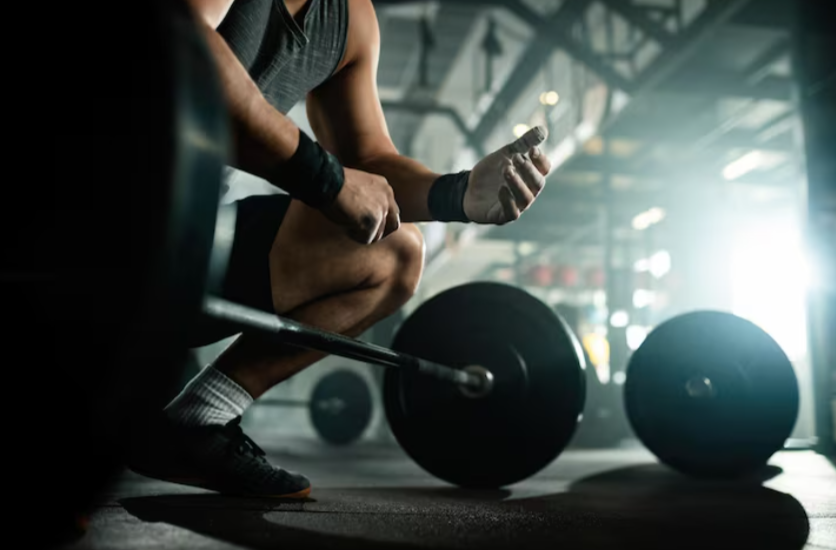
Commercial gym equipment is specifically designed for high-traffic environments such as fitness centers, sports clubs, and rehabilitation facilities. Unlike home fitness machines, commercial-grade equipment is built to withstand continuous use, often by multiple users per day. Industry reports show that commercial gym equipment are typically rated to endure 3–5 times more usage than home models, making them essential for facilities aiming to provide reliable, long-lasting fitness solutions.
Why Is Durability a Key Factor in Commercial Fitness Equipment?
Durability directly affects both safety and cost-efficiency. Studies indicate that gyms spend an average of 20% of their annual budget on equipment maintenance and replacement. Investing in heavy-duty machines reduces downtime, minimizes repair costs, and ensures consistent performance for members. Steel frames, reinforced components, and high-quality upholstery are common features that contribute to the longevity of commercial fitness equipment.
Which Types of Commercial Gym Equipment Are Most Popular?
Commercial gyms rely on a mix of strength and cardio equipment to meet diverse member needs:
- Cardio Machines – Treadmills, ellipticals, stationary bikes, and rowing machines. Data shows that cardio machines account for nearly 40% of gym usage in commercial facilities.
- Strength Training Equipment – Multi-gyms, cable machines, and plate-loaded equipment. Studies reveal that strength equipment usage peaks in the early morning and evening hours, emphasizing the need for robust design.
- Free Weights and Functional Training Gear – Dumbbells, barbells, kettlebells, and resistance bands. Research suggests that functional training zones see 25–30% higher turnover of equipment compared to standard weight areas.
How Does Safety Factor into Equipment Design?
Safety is a critical consideration for commercial-grade machines. Unlike home equipment, which may only see occasional use, commercial machines must adhere to rigorous safety standards to prevent accidents during continuous operation. Anti-slip surfaces, adjustable safety stops, and ergonomic design are all integral to preventing injuries. According to recent industry surveys, facilities that invest in certified commercial equipment report 50% fewer user-related incidents than those using lower-grade machines.
What Are the Financial Benefits of Investing in Commercial Equipment?
Although commercial gym equipment requires a higher initial investment, it often proves more cost-effective in the long run. Facilities using high-quality equipment typically experience:
- Reduced maintenance and repair expenses
- Longer replacement cycles
- Higher member retention due to a better workout experience
Research shows that gyms investing in premium commercial machines can achieve up to a 15% increase in membership retention, translating to substantial revenue gains over time.
How Can Commercial Gyms Maximize Equipment Utilization?
To maximize ROI, gyms should implement strategic equipment layouts, track usage patterns, and provide proper staff training for maintenance. Data indicates that well-planned gyms experience 20–30% higher equipment utilization rates, ensuring that each machine contributes effectively to member satisfaction and overall operational efficiency.
Are There Trends Driving Innovation in Commercial Fitness Equipment?
Yes, modern gyms are increasingly integrating technology into their equipment. Features such as interactive screens, performance tracking apps, and virtual coaching are becoming standard. Industry analysis predicts that over 60% of new commercial equipment installations in the next five years will include smart technology to enhance user engagement and provide valuable usage data for gym management.
What Should Gym Owners Consider When Purchasing Equipment?
Before investing, gym owners should consider:
- Durability and material quality
- Ergonomic design and safety features
- Warranty and after-sales service
- Adaptability to different user fitness levels
- Integration of smart technology
Evaluating these factors ensures that the investment supports both operational efficiency and member satisfaction.
Conclusion: How Can Commercial Equipment Support Long-Term Gym Success?
Commercial gym equipment is more than just a tool for workouts—it is an investment in safety, performance, and member experience. By choosing heavy-duty, ergonomically designed machines, gym operators can provide a reliable, engaging environment for their members while optimizing operational efficiency and reducing long-term costs.
High-quality commercial equipment ensures that gyms remain competitive, appealing, and capable of meeting the evolving demands of the fitness industry.


